
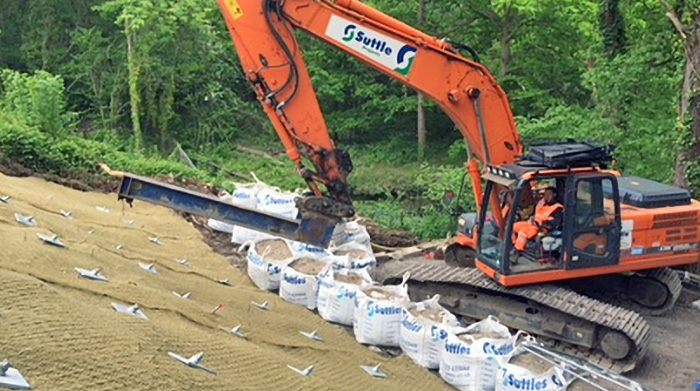
Major infrastructure projects are inherently complex. So when we talk about simplifying projects we’re not talking about ignoring this reality. What we mean is managing complexity more effectively (along with the risks that come with it).
This delivers a more reliable outcome. Valuable for any project – critical for emergency response works.
Simplification means maintaining control over what can be managed. While you can’t control the weather, you can control how you respond to bad weather and the planned mitigations you have in place.
Our projects: simplified approach aims to eliminate inefficiencies and disconnects by coordinating design, methods, materials, logistics, skills and every other element critical to smooth project delivery.
What Do Risks Look Like?
In practical terms, project risks become apparent in designs that don’t take full account of the location, topography or sub-soil conditions. They also show up when plant, people or materials are not available exactly when needed.
All of these can have substantial knock-on effects for later project phases, which isn’t great news if you’re a commuter forced to use a rail replacement service because of an embankment failure, or an operator facing financial penalties for loss of service.
Urgency And Control
With scheduled works you have a bit more lead-in time to ensure all the elements needed for success are in place. Emergencies demand a rapid response. Because these projects are never easy, simplification matters more than ever to ensure vital transport links are back in service quickly. You have to be clear from where you’ll draw the required expertise, equipment and materials ahead of time.
In high-pressure situations, order and structure become critical. A methodical assess, plan, execute process is the basis of every sure-footed response. Urgency may drive you towards focusing on ‘execute,’ but by skimping on the ‘assess’ and ‘plan’ elements you can end up wasting valuable time and resources.
What matters is that the assess and plan stages happen quickly and that there’s an efficient two-way communication link with the teams that will execute the work. This is where self-delivery capabilities really pay off.
Our organisation is on permanent standby – ready to deal with the next emergency response using our projects: simplified approach. Head over to our information and insights section below to find out more.
